
Okay, so check this out—MEV has been a quietly explosive force in DeFi for years. Wow! It skews markets and eats value. My instinct said it was just a niche trader problem, but then I watched a friend lose a trade to a sandwich attack. Initially I thought it was rare, though actually it showed up in comps and dashboards way more than I’d expected.
Seriously? The numbers are ugly. MEV is short for miner (or maximal) extractable value and it means someone in the transaction inclusion path profits at the expense of users. On one hand it’s an inevitable consequence of public mempools and permissionless ordering. On the other hand the industry has creative defenses that are finally becoming usable by normal users. I’m biased, but wallets are where protection matters most because that’s where users interact and sign.
Here’s the thing. Wallet UX used to ignore MEV. Hmm… It felt like a backend problem. But when front-end wallets started simulating transactions and showing estimated slippage, things shifted. These days a wallet that simulates a transaction, previews probable outcomes, and offers private submission channels can materially reduce front-running and sandwich risks.
Whoa! Let me be clear about what “reduce” actually means. Protection is probabilistic, not absolute. Some strategies remove most common attack vectors while others re-route them or push fees around. My instinct said you could simply stop MEV by hiding transactions, but actually the solution space is nuanced and evolving.
This is where tools like private mempools, bundle submission, and MEV-aware relays come in. Flashbots introduced private bundle submission to bypass the public mempool, and that concept trickled into wallet UX. When a wallet simulates and bundles a transaction to a builder, it reduces visibility and therefore reduces frontrunning windows. But there are tradeoffs: latency, cost, and dependence on specific networks or relays.
What users actually care about
People want fast trades and predictable outcomes. Really? They also want cheap gas and simple interfaces. On one hand power users demand fine-grained gas control and custom bundles. On the other hand new DeFi users just want not to be ripped off by sandwich bots. So the UX challenge is balancing advanced features with simplicity—no small feat.
Okay, so check this out—transaction simulation is the first line of defense. A good sim executes the exact transaction against forked state and reports expected slippage, reverts, and possible MEV opportunities that attackers could exploit. That lets users see “what could go wrong” before they sign. It’s not perfect, but it’s surprisingly effective at catching obvious sandwichable trades.
I’ll be honest: simulation only helps when it’s accurate. Network state changes fast and mempool dynamics are messy. Actually, wait—let me rephrase that—simulation helps most for predictable liquidity moves, and less for complex multi-hop interactions that are sensitive to ordering. Still, it’s much better than signing blind.
Check this out—private submission is the second defense. Send your signed transaction directly to a builder or relay instead of broadcasting it publicly. That prevents bots from seeing the trade in the mempool and inserting predatory trades. It’s like slipping a letter into a secured courier rather than tossing it on the stoop.
Hmm… there’s a catch though. Using private submission often requires trusting the relay or builder not to collude or extract rent themselves. On top of that, some private channels introduce extra latency or fees for guaranteed inclusion. So you’re trading off some transparency for reduced front-running risk—tradeoffs, tradeoffs.
How wallets can weave these defenses into day-to-day DeFi
Most wallets used to just build and broadcast transactions. Now the best ones simulate, optionally bundle, and give users clear signals about risk. For example, a wallet might warn that a swap on a low-liquidity pair is likely sandwichable and offer either a private submit or a cancel option. That’s a huge behavioral shift because it moves protection into the moment of decision.
On the technical side, wallets implement simulators using forked nodes or light clients that can run EVM state locally. They then compute slippage windows and potential profitability for an attacker. Some integrate with block builders or Flashbots-style relays for private bundle submission. The surface area for innovation here is large and still pretty new.
I’m not 100% sure which approach will dominate long term. Honestly, I think we’ll see multiple coexist. Proposer-builder separation, better consensus-level privacy, and encrypted mempools each have pros and cons. But in the near term the simplest wins: wallets that offer turnkey MEV-aware flows will gain adoption faster.
Here’s what bugs me about some offerings. They slap a “private” toggle on the UI and call it a day. That’s cosmetic. Real protection requires simulation transparency, clear UX around fees and latency, and fallback behaviors if the private channel fails. Users should never be forced into a black box without an explanation.
So what should a DeFi user look for in a wallet? Look for transaction simulation that shows worst-case scenarios, optional private submission channels, and clear reporting on gas and fees. Also prefer wallets that give you bundle previews and let you set acceptable slippage thresholds. Those features together reduce the most common MEV harms.
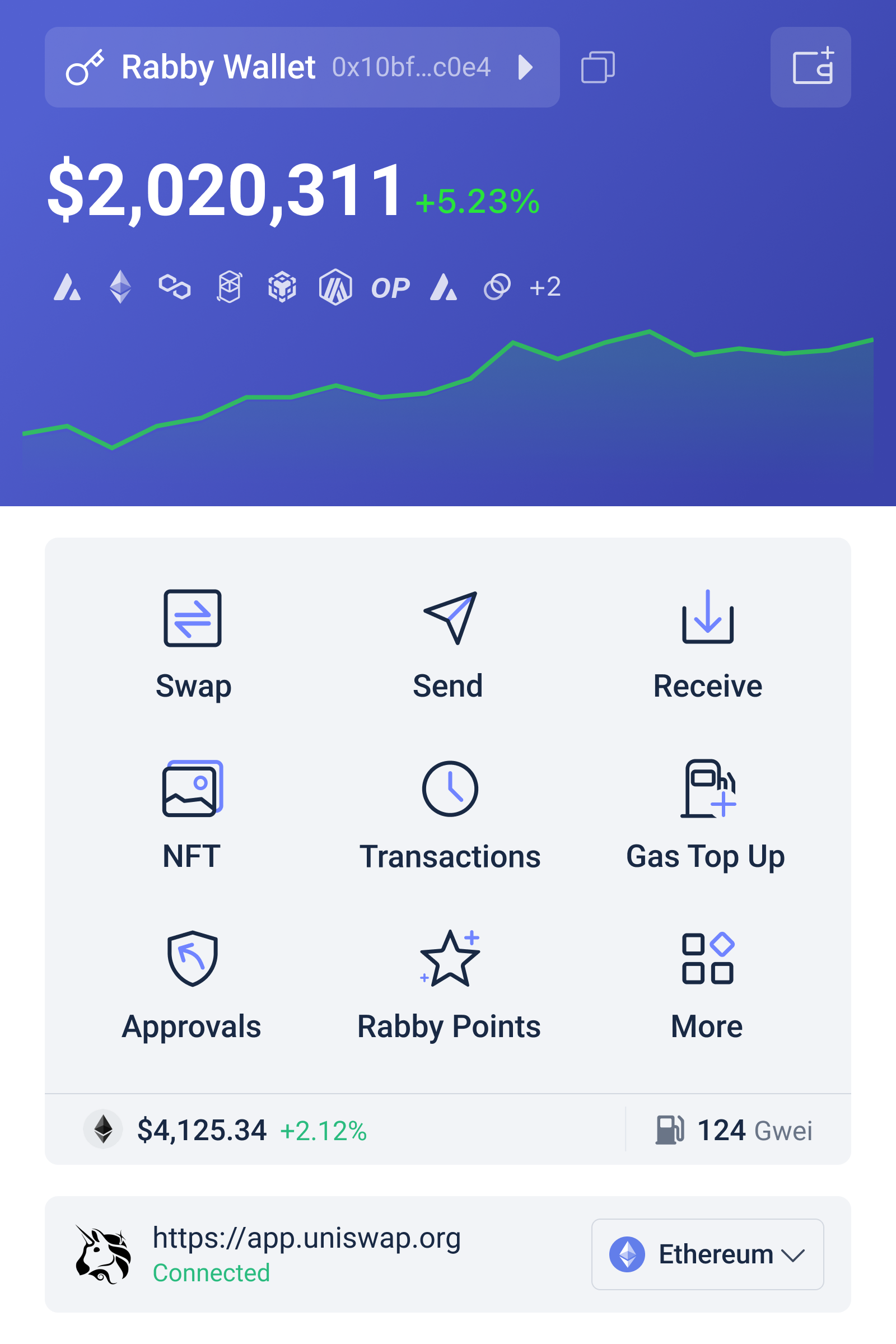
Check this out—I’ve been testing wallets that combine these features and one that stood out in my flow was rabby wallet. It integrates transaction simulation, a readable UI, and options for private submission that fit into normal DeFi workflows. I’m biased, but it’s one of the few that talks about MEV protection without making you dig through docs.
On the protocol side, DeFi contracts can help by designing atomicity and minimal exposure to sandwichable patterns. For instance, protocols can use batch auctions, time-weighted average prices, or slippage-resistant routers. However, retrofitting all legacy contracts is impractical; that means wallets remain a critical mitigation layer for the foreseeable future.
Whoa! Developers should also instrument contracts to emit richer diagnostics. That way wallets can simulate more accurately and offer tailored advice. It sounds nerdy, but better on-chain signals translate to fewer surprises for users.
There are costs though. Private submission may require paying builders or relays, which can increase effective gas costs. Some users will accept that for lower slippage and fewer failed trades. Others will chase minimum fees and accept higher risk. User choice matters, and wallets should present it plainly.
On one hand MEV-aware features can create centralization risks if all traffic funnels through a few relays. On the other hand dispersion without coordination leaves users exposed. The middle path is diversification—wallets should support multiple relays and fallbacks, and protocols should be relay-agnostic when possible.
Here’s a small anecdote: I watched an automated market maker lose depth because a frontend kept recommending tiny slippage tolerances to users. The UI was trying to protect users, but in practice it increased failed transactions and gas squandering. There’s no single fix; ergonomics and education both matter.
Hmm… sometimes I get sleepy reading whitepapers that assume perfect rational actors. Real people click fast. They misread prompts. They panic when a transaction looks stuck. So practical wallet design must simplify decisions, not just add knobs. That’s a product challenge as much as a technical one.
Okay, so here’s a quick checklist for wallets that actually help users against MEV: simulate transactions locally, present clear risk summaries, offer private submission with transparent fees, support multiple relays, and let users set conservative defaults. Also give a readable explanation when things fail.
I’m aware of limits to what wallets can do though. They can’t rewrite every protocol’s incentives, nor can they guarantee absolute privacy in perpetuity. There will always be edge cases and adversarial innovation. But they can raise the bar and make mass exploitation harder, which is valuable.
Really? Ultimately, MEV mitigation is an ecosystem play. Protocols, wallets, relays, and users must all evolve together. Builders will find new extraction surfaces, and defenses will adapt. Expect a cycle of attack and defense—it’s part of the game.
FAQ
Can a wallet completely prevent MEV?
No. A wallet can reduce exposure by simulating transactions and using private submission channels, but it cannot fully eliminate MEV. It’s probabilistic protection that lowers risk for common attacks like frontrunning and sandwiching. Accept that some residual risk remains, and design behavior and defaults around that reality.
Does private submission cost more?
Sometimes. Private channels can add fees or incur latency that results in slightly higher effective costs. However, those costs are often offset by reduced slippage and fewer failed transactions. For many users the tradeoff is worth it—especially when trading illiquid pairs or executing multi-step DeFi interactions.